Laser tattoo removal is a safe procedure for most patients, but it does carry some risks. These can include redness, swelling, blistering, changes in skin color, or, in rare cases, scarring.
At NoSweat Fort Wayne, we carefully assess your skin and health history, providing detailed instructions to minimize these risks and promote smooth healing.
A few words from the organizations we’ve supported across strategy, operations, and digital transformation.
Trustindex verifies that the original source of the review is Google. Still in the process of getting laser tattoo removal here. I was afraid at first because I’ve never had it done but they have done such a great job. First of all, I’ve never met such kind people before. They have a great yet professional sense of humor, they always remember who I am, what I do for work, and ask about recent happenings. Their equipment always seems to be clean. These people are very knowledgeable and detail oriented. They have never messed up anything on me and they also take progress pictures so that I can see how much my tattoos have faded, which I greatly appreciate. They informed me on caring for my skin to prevent scaring and blistering from the laser. I’ve not seen any! If you are a little scared they have stress balls on hand which I have used and find very considerate and helpful :) If you need to get tattoos removed this is the place to go!Posted on GoogleTrustindex verifies that the original source of the review is Google. Showing great resultsPosted on GoogleTrustindex verifies that the original source of the review is Google. If you are looking for a physician who truly puts patients first — look no further than Dr. Rettenmaier at No Sweat. He gave me over two hours of his time, genuinely listened, and treated me with the kind of care I haven’t experienced in a long time. As someone with 33 years in critical care nursing, I recognize exceptional clinical skill when I see it. Dr. Rettenmaier is the real deal. He constantly attends conferences and stays ahead of the latest treatments so his patients have access to technology that nobody else in Indiana offers — including a machine sourced directly from South Korea that he brought here specifically for his patients. His staff is equally exceptional — talented, warm, and welcoming from the moment you walk in. You can tell a great deal about a physician by the team he builds around him, and Dr. Rettenmaier’s team reflects his same standard of excellence and genuine care for every patient. He doesn’t just treat patients. He advocates for them. If you want a provider who does what is right — not what is easy — this is your doctor.Posted on GoogleTrustindex verifies that the original source of the review is Google. No sweat made my son’s MiraDry procedure easy and comfortable. Friendly staff, professional care, and great results. Highly recommend!”Posted on GoogleTrustindex verifies that the original source of the review is Google. New location is bright, fresh and more convenient. Service continues to be excellent. They are always updating their treatment lines to offer their clients the best and newest proven procedures.Posted on GoogleTrustindex verifies that the original source of the review is Google. Had MiraDry procedure done and it was an absolutely amazing experience. Dr. R and his staff are simply the best.Posted on GoogleTrustindex verifies that the original source of the review is Google. I am very happy for the service from Nosweat. Thank you for your help me remove dark spots on my face. I cannot believe how much my face turns out right now, that it amazing after a week. Kayla and Doctor Philip help me a lot. Thank you again ☺️
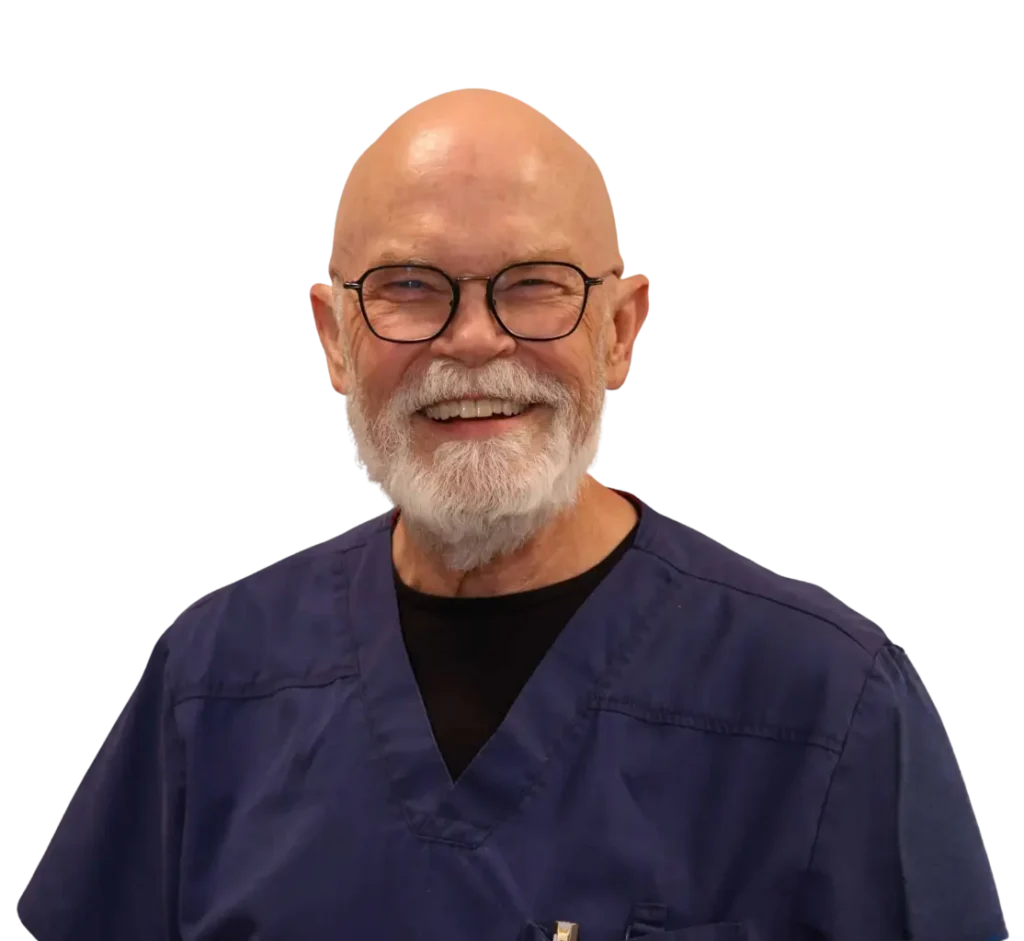
At NoSweat, we combine advanced technology with experienced, patient-focused care to create treatment plans that feel comfortable, personalized, and designed around realistic, natural-looking outcomes.

We’ve compiled answers to the most common questions our clients ask to help you get a better understanding of how we can assist you.
We use the Quanta Discovery Pico Plus laser, a pico- and nanosecond platform designed specifically for tattoo removal. It delivers ultra-short pulses of energy that break tattoo ink into tiny particles, which your body gradually clears through the immune system.
Black and dark blue inks usually respond the fastest and most completely. Lighter colors like yellow, green, and some blues can be more stubborn and may require additional sessions to achieve good fading.
We estimate the number of treatments using the Kirby–Desai tattoo removal scale, which considers ink color, tattoo location, skin type, layering/coverups, and scarring. Most tattoos still need multiple sessions spaced several weeks apart to allow for proper healing and ink clearance between visits.
The Kirby–Desai scale is a scoring system that helps predict how many laser sessions a tattoo may require based on several key factors. We use it to set realistic expectations up front so you have a clearer idea of the likely treatment course before you start.
We can treat many professional and amateur/traumatic tattoos with the Quanta Discovery Pico Plus. Cosmetic tattoos and permanent makeup require extra caution, so we evaluate them on a case-by-case basis and discuss safety and realistic outcomes with you at the consultation.
Treatments often feel like rapid snaps or hot pinpricks on the skin—similar to getting a tattoo, but much quicker. We offer topical numbing and other comfort measures to help make the procedure more tolerable.
It’s common to see temporary whitening or “frosting” of the tattoo immediately after the laser passes, along with mild redness and swelling. Small blisters or pinpoint bleeding can occur and are usually part of normal healing when aftercare instructions are followed.
After laser tattoo removal, apply a thin layer of Aquaphor ointment to the treated area several times a day until the skin is fully healed. Keep the area clean, avoid picking at any scabs or blisters, protect it from friction and sun exposure, and follow all instructions we provide at your visit.
Itching is common as the skin repairs itself. You may apply an over-the-counter hydrocortisone cream, such as Cortaid, to the treated area as directed to help control itching, and try not to scratch so you don’t disturb healing tissue.
There is a small risk of scarring or changes in skin color, especially in darker skin types or if aftercare is not followed. We minimize these risks by using appropriate, conservative settings, spacing treatments correctly, and carefully monitoring your skin’s response over time.
Many tattoos can be faded to the point of being barely visible, and some can be nearly or completely removed. The Kirby–Desai score helps us estimate how complete your clearance may be, and we’ll give you an honest assessment at your consultation.
Yes, many patients lighten an existing tattoo with laser specifically to create a better base for a cover-up. We can coordinate timing with your tattoo artist and let you know when the skin has healed enough for new ink.
Areas with thinner skin or more nerve endings—such as ribs, ankles, and wrists—can feel more sensitive during treatment. Tattoos on areas with less blood flow, like the lower legs or feet, may also clear more slowly than those on the trunk or upper arms.


